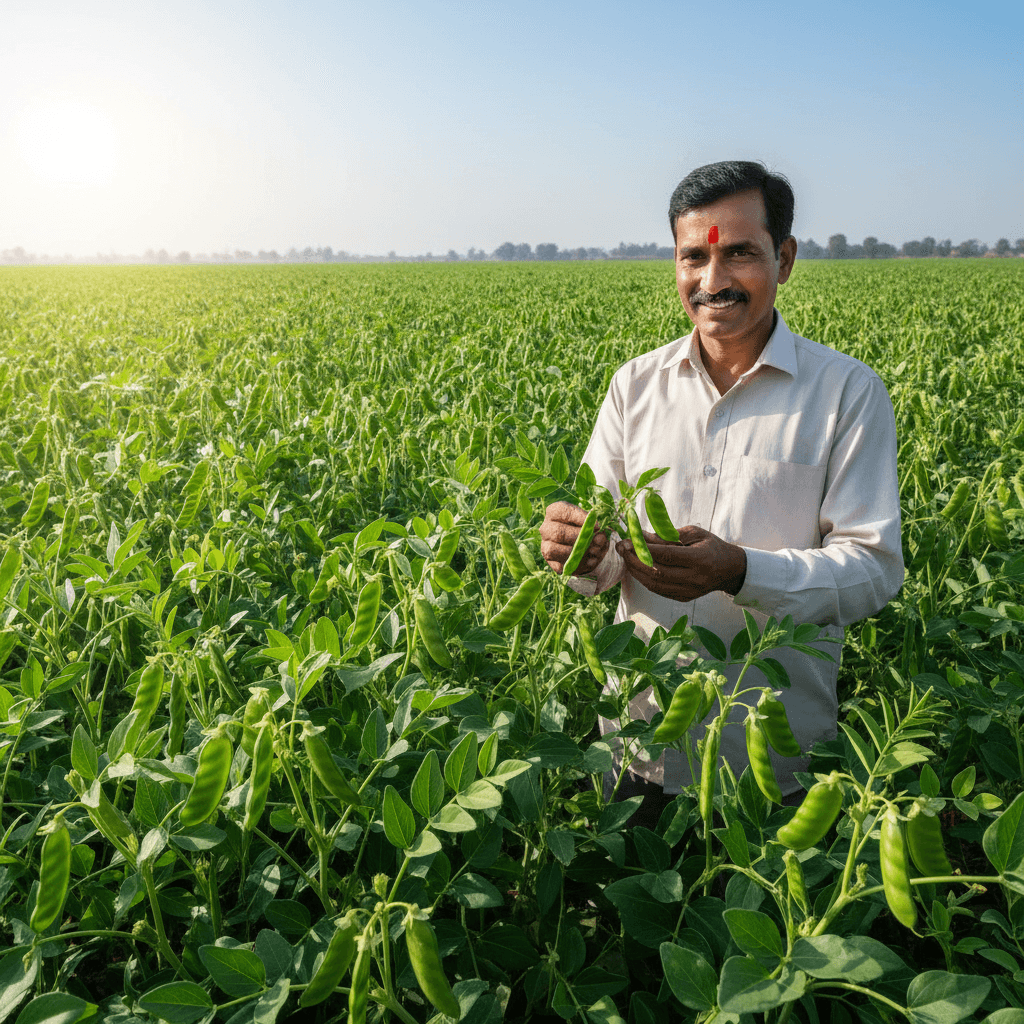
India, a nation where pulses are a dietary staple, has long grappled with a significant reliance on imports to meet domestic demand. With nearly a fifth of our pulses currently coming from abroad, market volatility and price spikes have been a recurring concern for households and the national economy. However, a strategic and ambitious shift is underway. The Indian government is spearheading an initiative to cultivate greater self-reliance in pulse production, particularly focusing on 'tur' (pigeon pea), by introducing innovative early-maturing, high-yielding varieties designed to transform the agricultural landscape, stabilize kitchen budgets, and boost farmer incomes.
At the heart of this strategy are new tur varieties that mature significantly faster – in just 140-150 days compared to the traditional 170-180 days. This accelerated growth cycle offers immense flexibility, allowing farmers, especially in non-traditional northern states like Punjab and Haryana, to integrate tur cultivation without disrupting their existing Rabi crop schedules. Developed by institutions like the ICAR-Indian Institute of Pulses Research (IIPR), Kanpur, these varieties, such as IPH 15-3 and IPA 15-6, promise impressive yields of around 20 quintals per hectare. This technological leap is a cornerstone of the six-year “Mission for Aatmanirbharta in Pulses,” a comprehensive plan announced in the Union Budget 2025-26, which focuses on climate-resilient seeds, enhanced protein content, increased productivity, and ensuring remunerative prices for farmers.
The economic ramifications of this initiative are profound. By boosting domestic output, India aims to curtail its soaring pulse import bill, which reached a record 6.7 million tonnes in FY25. Reduced import dependence translates directly into greater price stability for consumers and improved food security for the nation. Beyond the plate, self-sufficiency in pulses significantly strengthens the livelihoods of millions of Indian farmers, offering them better returns and a more predictable income stream. Furthermore, pulses are natural soil improvers, fixing nitrogen and reducing the need for chemical fertilizers, thus promoting sustainable agricultural practices. This multi-pronged approach underscores India's commitment to building a robust, self-reliant agricultural sector, ensuring both economic stability and environmental well-being for future generations.