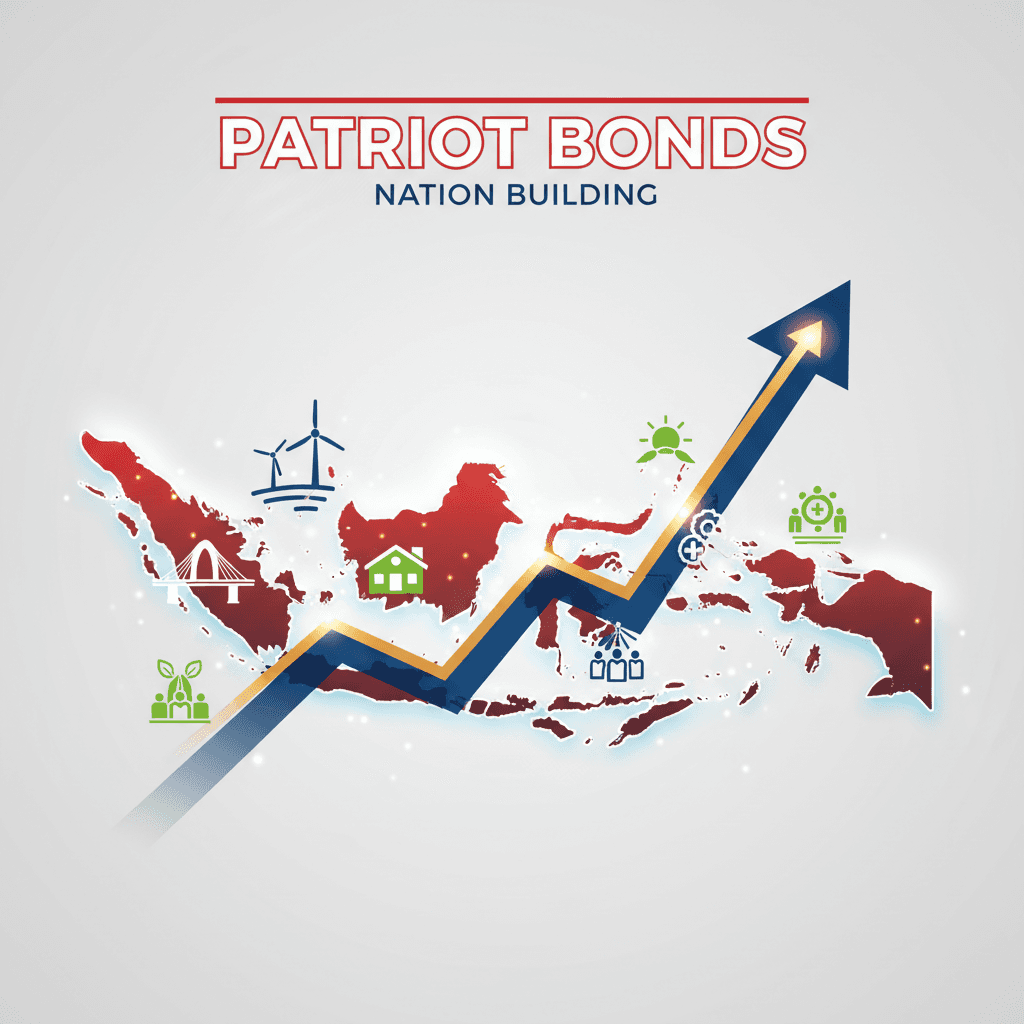
In a remarkable display of national commitment, Indonesia’s wealthiest tycoons have pledged a staggering $3 billion (50 trillion rupiah) towards the nation’s newly established sovereign wealth fund, Danantara. This significant investment comes in the form of 'Patriot Bonds,' a unique initiative designed to channel private wealth into critical national development projects. The move underscores a growing trend where leading business figures are aligning their financial prowess with the broader economic and social objectives of their country, aiming to leave a lasting legacy.
What makes these 'Patriot Bonds' particularly noteworthy is their structure: they offer a coupon rate of just 2% for five- and seven-year tenures, significantly less than the over 5% yield typically seen on government securities. This deliberate concession on returns highlights the altruistic motivation behind the pledges. President Prabowo Subianto has a strong advocate for this initiative, urging the nation's billionaires to contribute more towards addressing rising inequality and funding essential programs like free meals and low-cost housing. This fundraising is crucial for Danantara, which aims to boost Indonesia’s economic growth to 8% – a level last seen in the mid-1990s.
This scenario presents an interesting perspective for investors worldwide. While conventional investing often prioritizes maximizing short-term financial gains, the Indonesian 'Patriot Bonds' demonstrate an alternative model where wealth is deployed with a primary focus on national development and social impact. The commitment from these tycoons, some even seeking loans at higher interest rates to participate, reflects a strong belief in trading 'short-term gains for a lasting legacy: building our nation.' For those looking at wealth management not just as personal accumulation but also as a tool for societal contribution, such initiatives offer a powerful reminder of how financial strategies can align with broader humanitarian and national goals, creating value that extends far beyond monetary returns.